Police2Peer
- Norsk
- English
The Police2Peer project works to protect children from abuse by raising awareness about how much abusive material is shared online and by making it more difficult to access real images and videos of abuse.
The project, which has been running since 2017, uploads files to file‑sharing networks (Peer2Peer/P2P) with names that resemble real child sexual abuse material. This is done to show how easy it is to find and share such content on these networks.
For someone searching for abusive material on these networks, the files appear genuine because of their filenames. The actual content of the files only becomes visible after they are downloaded and played on the user’s device.
In reality, these files contain videos and images with information from the police. The purpose is to inform users about the risks they are taking and the legal consequences of downloading or distributing abusive material – and to increase the perceived risk of detection.
The police files are also designed to make it harder to find real abusive material. They ensure that searches return hits on police files instead of illegal content, and they also include links to help people with a sexual interest in children.

How it works
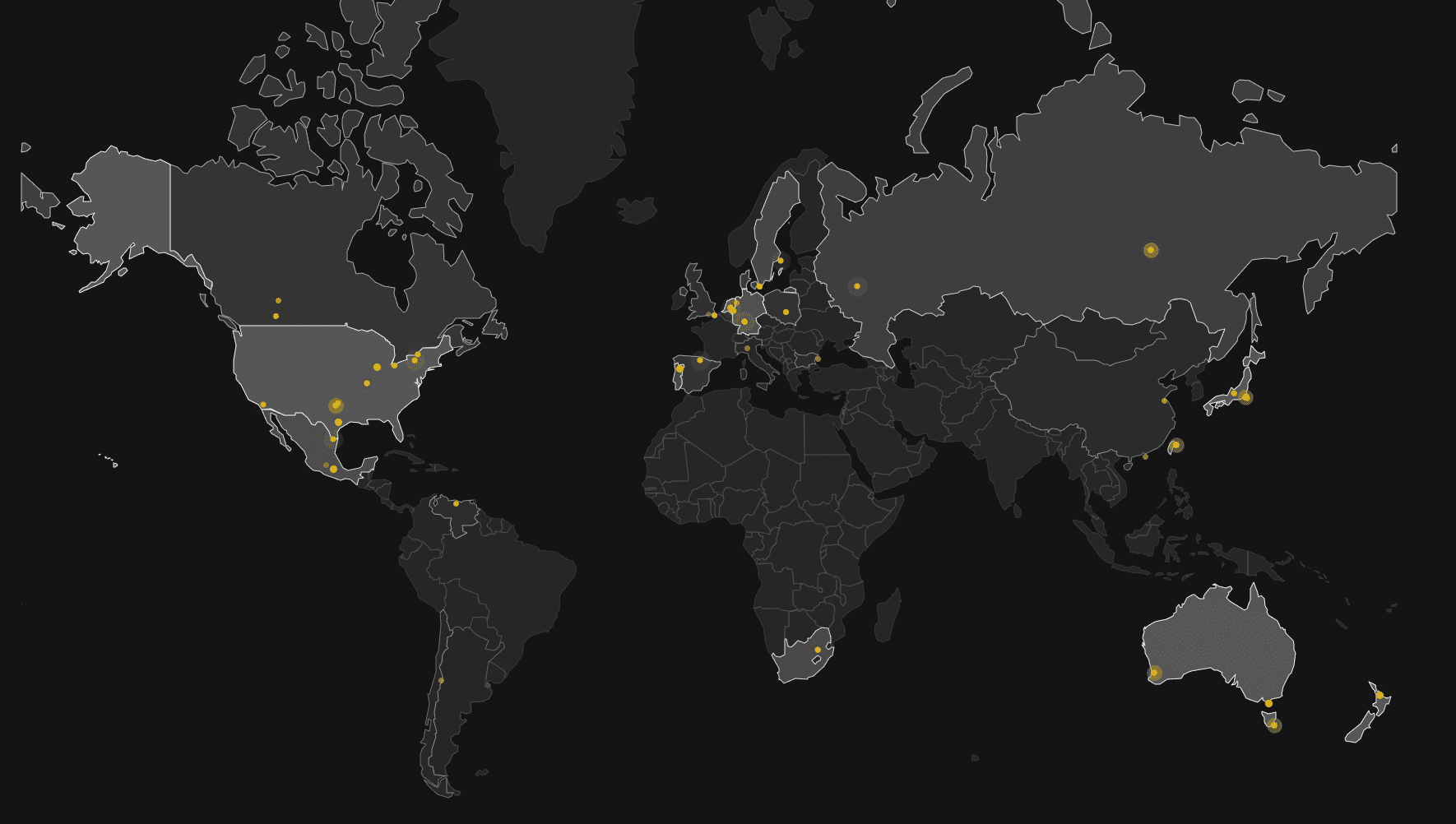
The Police2Peer system operates a substantial number of computers that access many different file‑sharing networks. A map shows where these files have been transferred from the police computers to users on the networks. The locations are intentionally imprecise to avoid highlighting specific areas, cities, or sparsely populated regions. The country‑level information is accurate and based on the best available IP‑to‑location tools.
All downloads of files from the police computers in this project are initiated by users on the file‑sharing networks, usually through searches for specific terms related to abusive material. Examples include names and nicknames of victims, types of abuse, preferred ages, and similar. There are currently several hundred thousand police files in this project, all unique in name, size, format, and type.
The Police2Peer project does not download files from users on the networks and does not collect evidence for use in criminal cases. The police have other, better, and more specialised tools to initiate investigations on file‑sharing networks.
The points on the map represent instances where the police have uploaded files to users. They do not include other types of network communication, such as location sharing, responses to searches, file availability, or network speeds. A point displayed on the map means that a file transfer has occurred between one of the police computers and a user’s device.
File‑sharing clients generally attempt to download a file from multiple sources to increase transfer speed, including from users who have downloaded and are sharing the police files. The data displayed on the map is based solely on files uploaded from computers operated by the Norwegian police. The total volume of data distributed to end users, and the number of users requesting what appears to be abusive material, is therefore higher than the map shows. The number of users uploading and downloading real abusive material is also significantly higher than indicated by the number of hits on the map.
The use of Virtual Private Networks (VPNs) or proxies can affect the accuracy of location data, making users appear as if they are located in another country than their actual location. The prevalence of VPN use varies considerably between countries, often influenced by local legislation, police effectiveness, and the perceived risk of being discovered and investigated.
Although VPN use can obscure some data, the main goal of Police2Peer is to distribute warnings and informational content widely, regardless of users’ attempts to anonymise their online presence or hide their real location.
The Police2Peer initiative operates across all major public and traceable file‑sharing networks used to distribute material depicting child sexual abuse. These include:
ClearNet networks
- BitTorrent
- eDonkey2000
- Gnutella
- Gnutella 2
- Ares
- Fopnu
- DC++
Dark Web networks
- Freenet
- I2P
The system is adapted to changes within the networks and has extensive coverage across all relevant platforms. The number of users, the most popular networks, and preferred client software vary between countries.
Content and contributors
Several countries have contributed video and/or image content showing police officers in national uniforms, speaking their native language and delivering identical messages. All videos include English subtitles. Watch the videos on YouTube.
Participating countries:
- Denmark
- Finland
- France
- Iceland
- Latvia
- Malta
- Netherlands
- Norway
- Portugal
- Slovakia
- Slovenia
- Spain
- Sweden
The Police2Peer project aims to raise awareness about child abuse and the spread of abusive material, protect children, prevent crime, and provide support to people with a sexual interest in children. In doing so, we contribute to a safer digital environment for everyone.
Police2Peer is a Norwegian initiative in cooperation with police units from several European countries. The project is run under the EMPACT framework, which is the EU’s main tool for combating serious and organised crime.
Advice and guidance
For more information, visit the official Europol and EMPACT pages on the topic:

See information and available treatment options for people with a sexual interest in children:
Contact
Kripos press contact: +47 23 20 80 60, kripos.info@politiet.no.